
Creating a budget and sticking to it can be a daunting task, especially when tempted by instant gratification. However, it’s essential to start with the basics – your home – to establish smart spending habits that will benefit you in the long run.
Tracking Your Expenses
Begin by keeping a record of every single transaction, no matter how small, for at least three months. This will give you a clear picture of where your money is going. You’ll be surprised at how quickly those daily cups of coffee or takeout meals add up. Writing down every purchase in a notebook or using an app like Mint to track your expenses will help you identify areas where you can cut back.
For instance, if you find that you’re spending $5 a day on coffee, that’s $1,825 per year. Consider making your own coffee at home or finding a cheaper alternative. Every little bit counts, and these small changes can make a significant impact on your overall budget.
Creating a Budget Plan
Once you have a clear picture of your expenses, it’s time to create a budget plan. Start by categorizing your expenses into needs and wants. Needs include essential expenses such as rent, utilities, and groceries, while wants include discretionary spending like dining out or entertainment. Assign percentages to each category based on your income and priorities.
For example, if you earn $4,000 per month, you may allocate 50% towards needs, 30% towards wants, and 20% towards savings and debt repayment. This will give you a clear idea of how much you can afford to spend in each category. Remember to review and adjust your budget regularly to ensure you’re on track.
Smart Spending Habits to Adopt
- Pay yourself first: Set aside a portion of your income towards savings and debt repayment before spending on anything else.
- Use the 30-day rule: Wait 30 days before making non-essential purchases to ensure they’re truly necessary.
- Practice mindful spending: Be aware of your spending habits and make conscious decisions about every purchase.
Online Gaming: A Surprising Connection to Smart Spending Habits
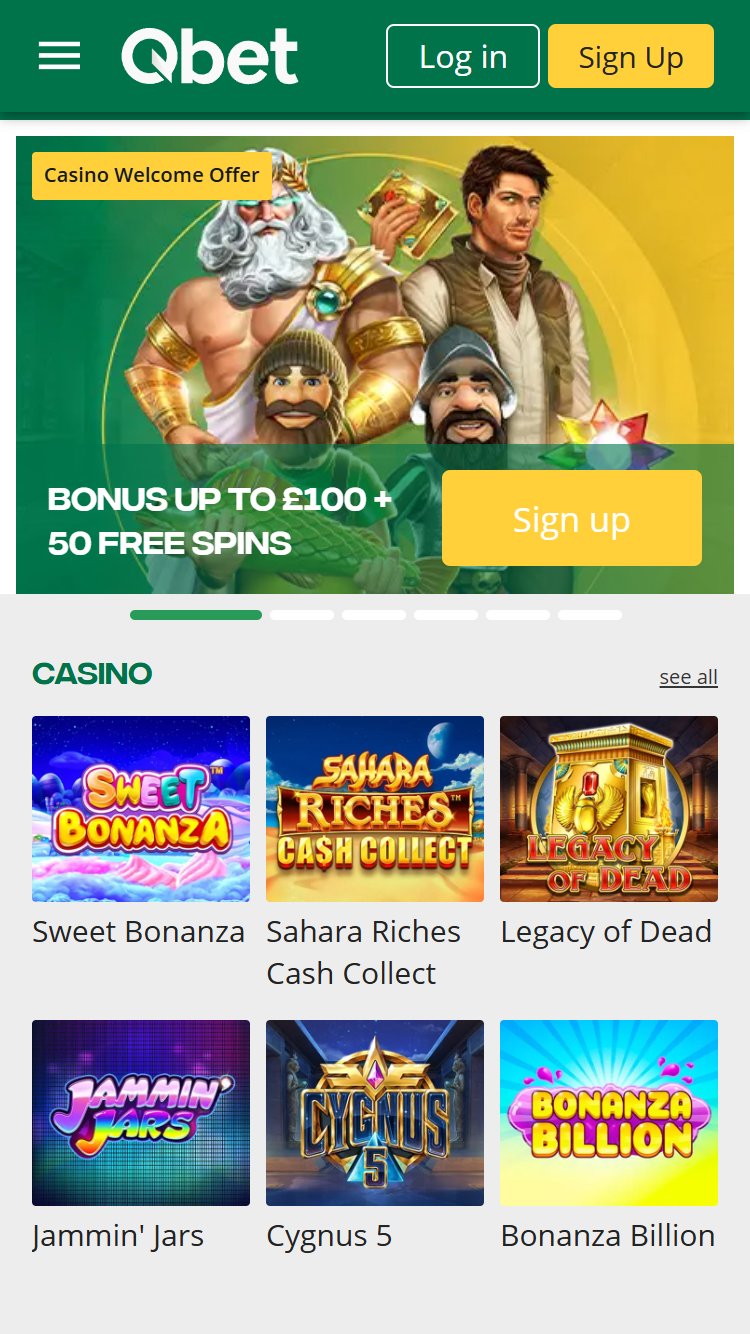
While it may seem unrelated, online gaming can actually be a great teacher for smart spending habits. Online casinos, such as those at q-bet.uk.net with a speedy setup, offer a range of games that can be played for free or with real money. Players must set a budget and stick to it to avoid overspending, a skill that translates well to real-life finances.
By applying the same principles to your online gaming experience, you can develop a greater sense of responsibility and discipline when it comes to managing your finances.
Conclusion
Mastering your budget through smart spending habits begins at home. By tracking your expenses, creating a budget plan, and adopting smart spending habits, you’ll be well on your way to financial stability. Remember, it’s all about making small changes that add up over time. Start today and see the difference for yourself.
Final Tips
Review your budget regularly to ensure you’re on track.
Automate your savings and debt repayment to make it easier to stick to your budget.
Be patient and persistent – developing smart spending habits takes time and practice.
Frequently Asked Questions
How long does it take to see a difference in my spending habits?
Tracking your expenses for at least three months will give you a clear picture of where your money is going, helping you make informed decisions about your spending.
What’s the best way to start tracking my expenses?
Begin by keeping a record of every single transaction, no matter how small, to get a comprehensive view of your spending.